


JP-LACQUER SERIES
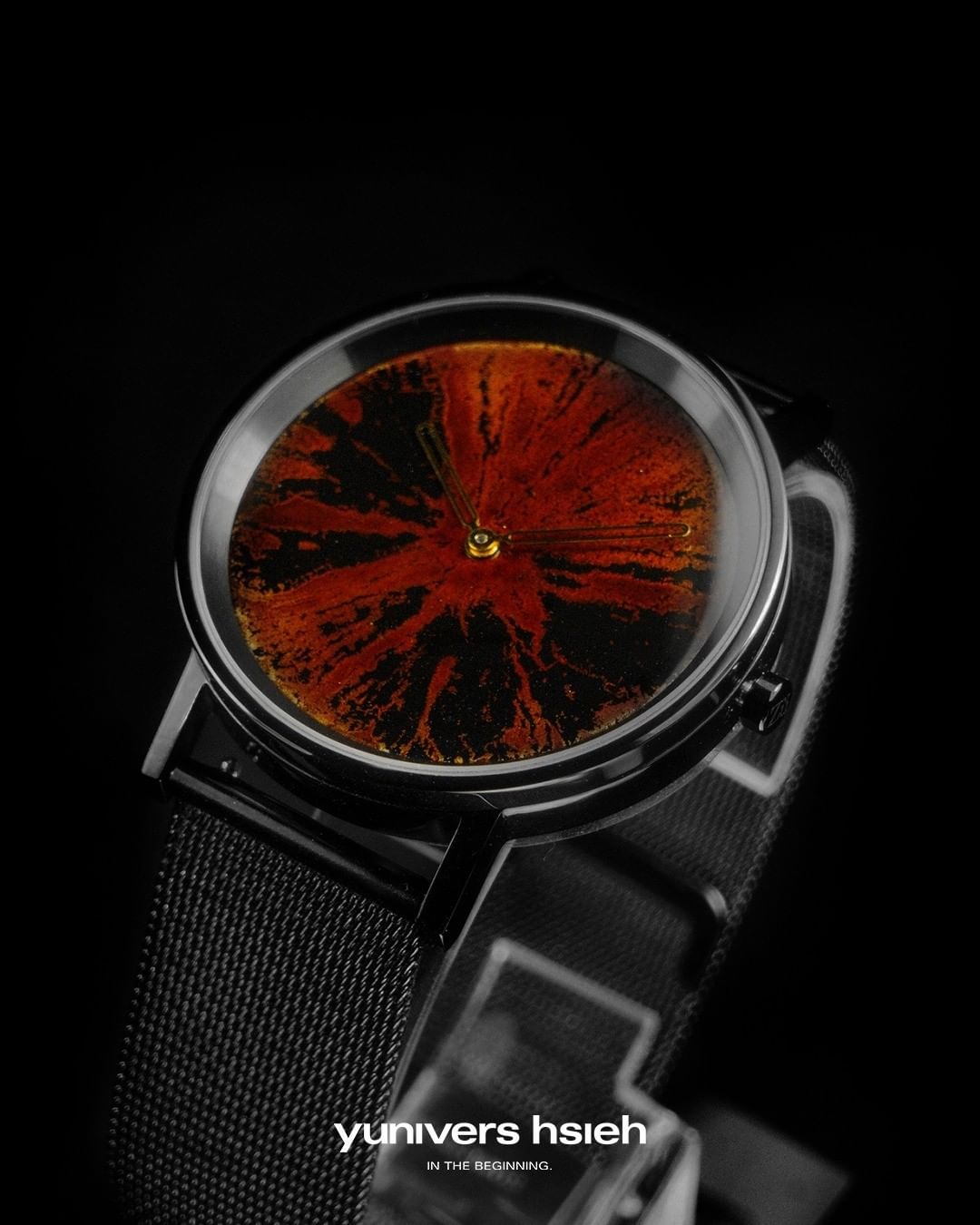
The new lacquer art series has arrived! Developed in collaboration with lacquer artist "Chiang Kun-Yuan," this series features five models themed around natural Japanese lacquer: "Chinkin Red Lacquer," "Chinkin Black Lacquer," "Tamamoku Red Lacquer," "Wrinkled Black Lacquer," and "Ice Crackle" (the "Wrinkled Black Lacquer" is created using the principle of "lacquer shrinkage," which, while not a mainstream traditional technique, is a unique pattern we aimed to introduce). This series employs various lacquer art techniques to create a new look for wristwatches, starting with the natural vermillion color of natural lacquer, complemented by lacquer colors, gold powder, and other elements, to produce a craft watch imbued with rich Japanese aesthetics!
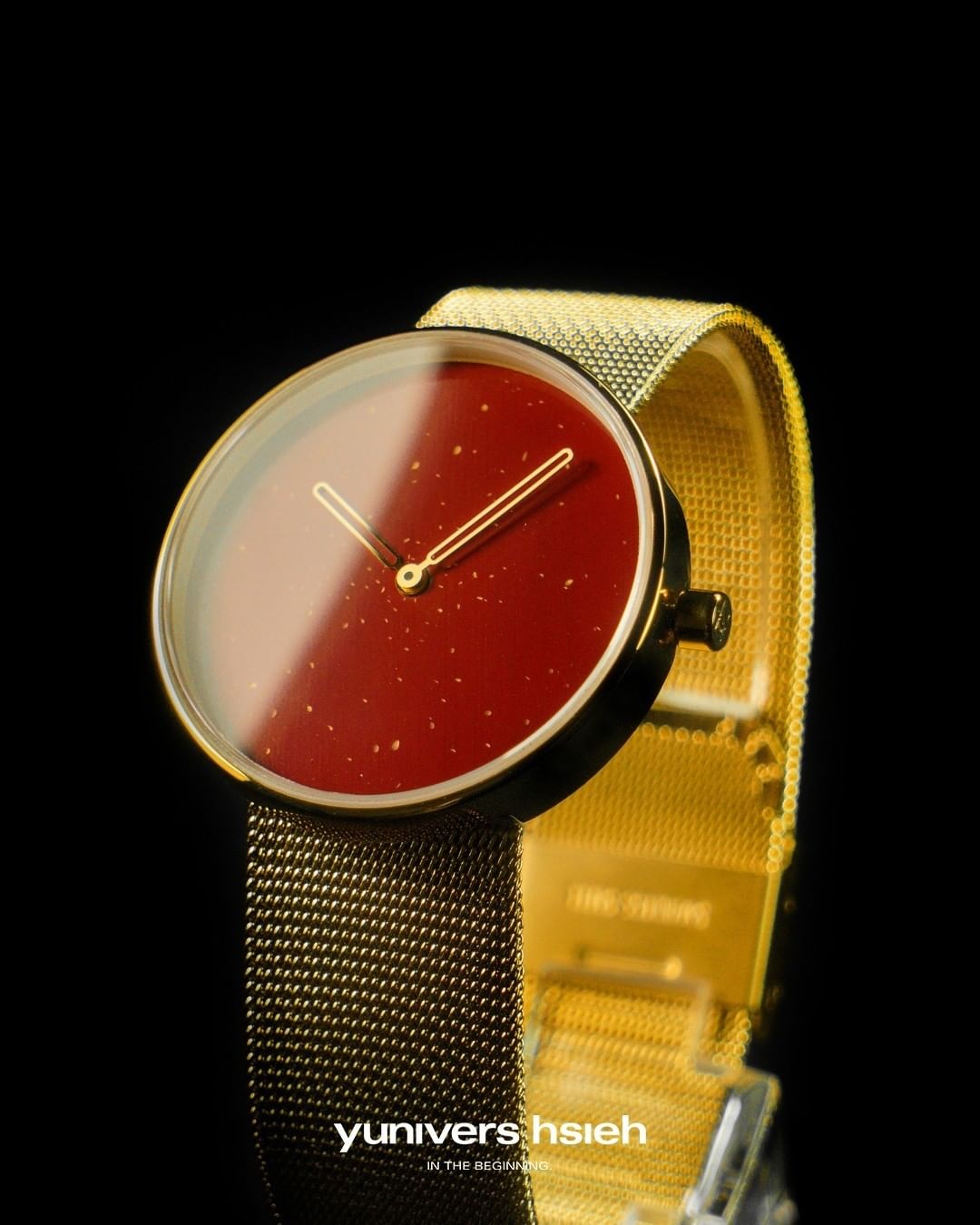
VERMILION LACQUER OF GOLD-INLAID CHINKIN TECHNIQUE
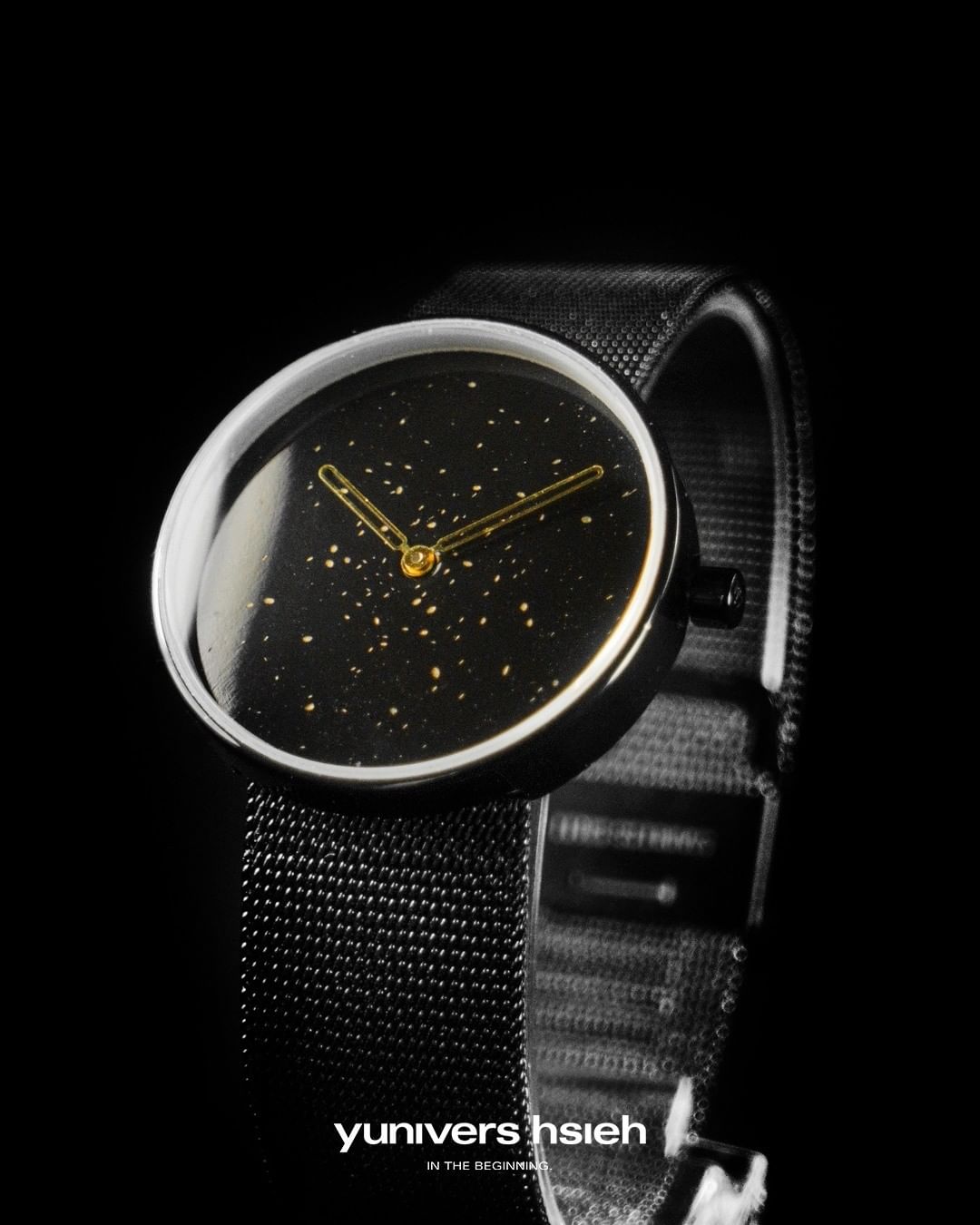
BLACK LACQUER WITH CHINJIN GOLD INLAY
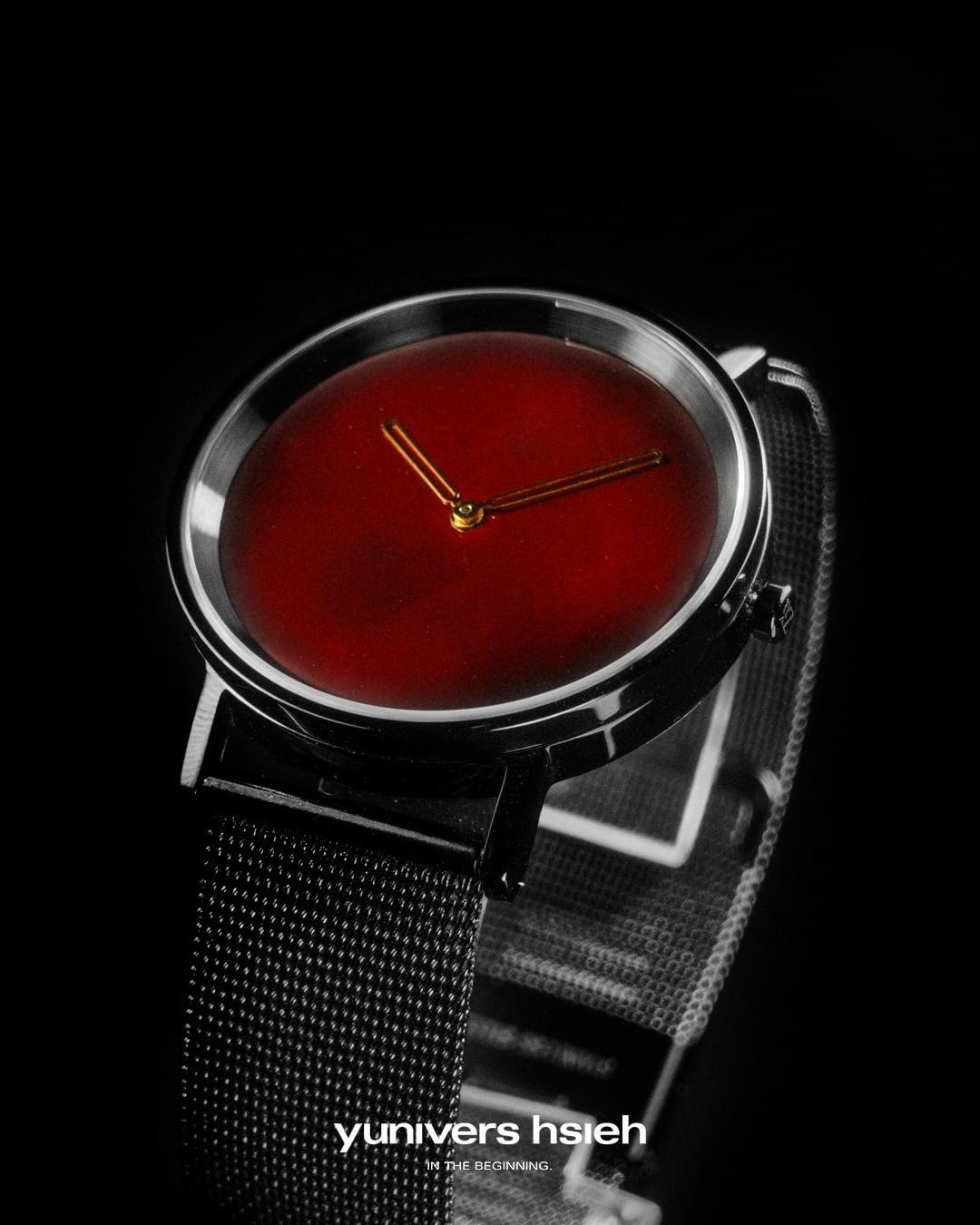
VERMILION STEAM LACQUER
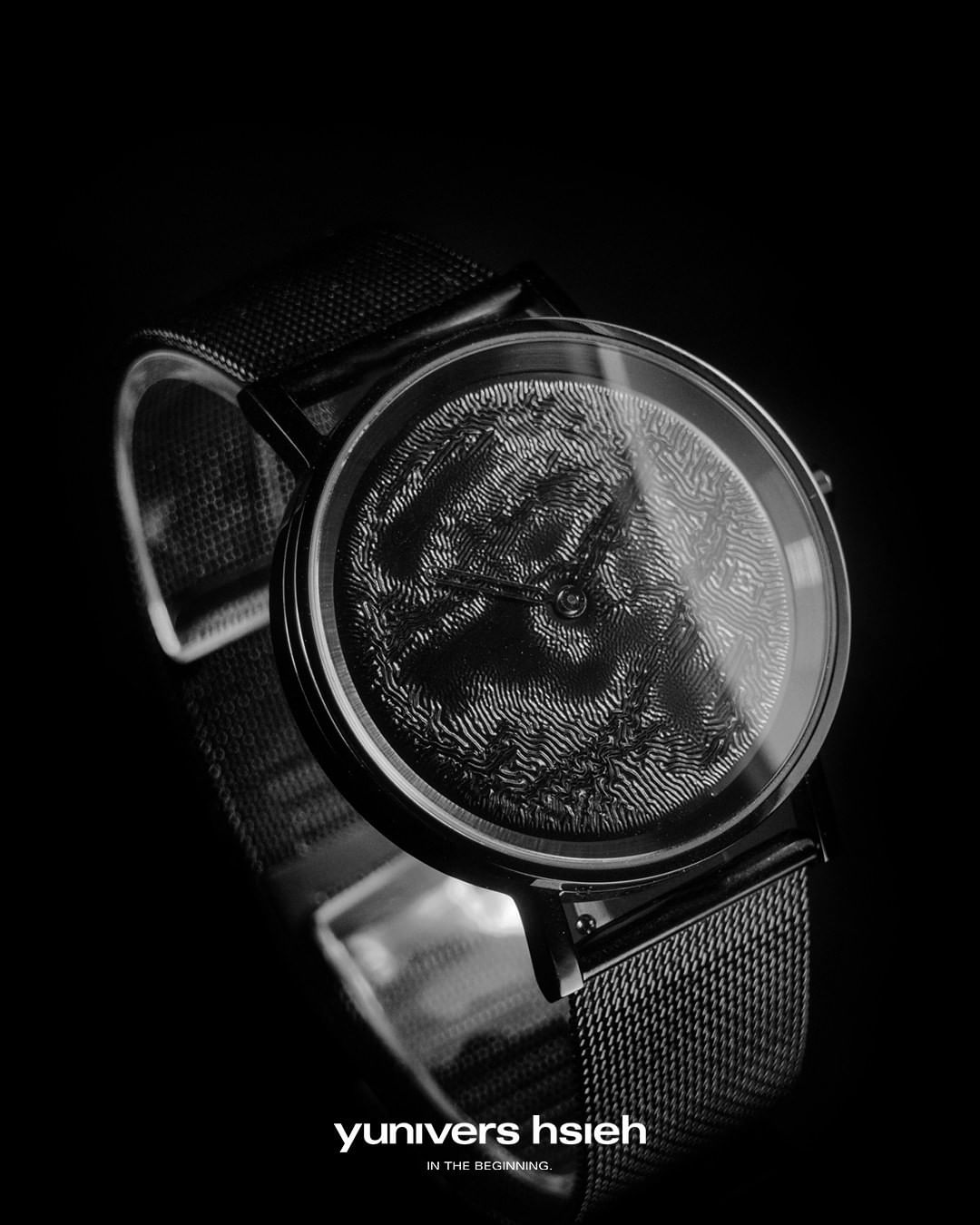
FOLD BLACK LACQUER
SILVER GLACIER LACQUER
The Concept and History of Urushi Lacquer
In Taiwan, it is called "shengqi," "shūqī," or "tianranqi" (natural lacquer), while in China it is called "dàqī," and in Japan it is called "urushi." In Japan, "urushi" typically refers to tree lacquer, while other coatings, such as those referred to as "paint" in Taiwan, are categorized as "toryo" (coatings). Urushi lacquer has a history of over six thousand years of use in China, documented in works like the "Xiushi Lu" (Record of Lacquer Decoration). Japan has a two-thousand-year history of using lacquer, with the technique primarily introduced from China.
Although China has a longer history of using lacquer, it later focused on ceramics, while Japan continued to refine its lacquer techniques. Consequently, Japan's production and refining techniques are more advanced. The commonly seen lacquers on the market can be divided into three types: Chinese-produced lacquer, Japanese-produced lacquer, and Vietnamese-produced lacquer. Japanese lacquer is scarce and expensive, while Vietnamese lacquer is primarily used locally in Vietnam (Taiwan's lacquer trees are of Vietnamese origin). The number of lacquerware artisans is also decreasing, one of the main reasons being that contact with raw urushi lacquer "before it dries" can easily cause severe allergic reactions.
JAPANESE LACQUER SERIES
JAPANESE LACQUER SERIES
JAPANESE LACQUER SERIES
JAPANESE LACQUER SERIES
JAPANESE LACQUER SERIES
JAPANESE LACQUER SERIES
The Collection and Application of Raw Urushi Lacquer
The collection of raw urushi involves incising the lacquer tree bark and gathering the sap (nutrients) that flows out. The main difference from other tree species is its high content of "urushiol." The higher the urushiol content, the better the quality of the raw urushi (in terms of hardness, luster, and elasticity). Lacquer trees require manual collection, and the amount obtained each time is scarce, making raw urushi material expensive, with prices ranging from three to seven thousand Taiwanese dollars per kilogram.
Furthermore, after treatment, urushi can withstand high temperatures, resist acids and bases, and is antibacterial. The "curing method" of raw urushi differs from ordinary coatings; it requires an environment with room temperature (25-28℃) and high humidity (60-80%) to initiate the curing reaction. This is essentially an irreversible chemical reaction. Therefore, natural lacquer is one of the few materials that can withstand strong acids and can instantly endure temperatures up to 200 degrees Celsius. In earlier times, raw urushi was often tested for impurities by heating it with fire.
VERMILION LACQUER OF GOLD-INLAID
Collection|HANDCRAFT SERIES
Case|CLASSIC / TOUGH GOLD|Champagne Gold
Dial|VERMILION LACQUER
Strap|MESH STRAP GOLD|Metal Mesh Series|Gold
Price|NT$7,980+Includes a free FUSION SERIES TOUGH case, allowing for 2 style variations
+Free "Watch Case Back Engraving Service"BLACK LACQUER OF GOLD-INLAID
SERIES|HANDCRAFT SERIES
CASE|CLASSIC / TOUGH BLACK
DIAL|BLACK LACQUER
STRAP|MESH STRAP BLACK
PRICE|NT$5,980+Includes a complimentary FUSION SERIES TOUGH case, offering 2 style variations
+Free "Watch Back Engraving Service"
VERMILION STEAM LACQUER
Collection|HANDCRAFT SERIES
Case|ORIGINAL BLACK
Dial|VERMILION STEAM LACQUER
Strap|MESH STRAP BLACK
Price|NT$6,980+ Free "Watch Case Back Engraving Service"
SILVER GLACIER LACQUER
Collection|HANDCRAFT SERIES
Case|ORIGINAL BLACK
Dial|SILVER GLACIER LACQUER
Strap|MESH STRAP BLACK
Price|NT$6,980+Free "Watch Case Back Engraving Service"
FOLD BLACK LACQUER
SERIES|HANDCRAFT SERIES
CASE|ORIGINAL BLACK
DIAL|FOLD BLACK LACQUER
STRAP|MESH STRAP BLACK
PRICE|NT$4,980+️FREE "Watch Case Back Engraving Service"
Hardening and Luster of Urushi Lacquer
Generally, after hardening, lacquer appears semi-matte with a warm luster. Due to the fine molecular structure of lacquer, it can be polished to a mirror-like finish. Rōiro polishing and rōiro finishing refer to grinding the lacquer surface with sandpaper of 2000 grit or finer, then polishing the surface with an abrasive. Before each polishing, a very thin layer of "raw urushi" is applied to penetrate and form a film on the surface (similar to a coating). The process of applying lacquer and polishing needs to be repeated at least 5 times before the luster appears. A common polishing powder for lacquerware is "rōiro powder," which has a fineness of less than 0.1 micrometers.
BUY THIS SERIES HERE





Introduction to Japanese Urushi Craftsmen
Chiang Kun-Yuan was introduced to lacquerware craftsmanship by Professor Weng Chun-Yi during his university years. After graduation, he worked as a lacquerware material consultant in Fengyuan, where he exchanged ideas and apprenticed with several local lacquer artists. He participated in a two-year training program for lacquerware artisans (chinkin). In 2020, he established his studio, "Guan Jun Lacquer Art Workshop," for lacquer art creation, commissioned lacquerware work, and lacquer refining, with the goal of becoming a "tōshi" (lacquer master). By leveraging the advantages and characteristics of urushi, he aims to promote and introduce lacquer art knowledge to the general public, encouraging them to understand, use, create, cherish, and produce urushi. This fosters a natural cycle, reducing the use of industrial products, adding joy to life, and cultivating unique creative thinking.